From Research Excellence to Strategic Advantage: How Berlin Is Shaping Europe’s Quantum Future
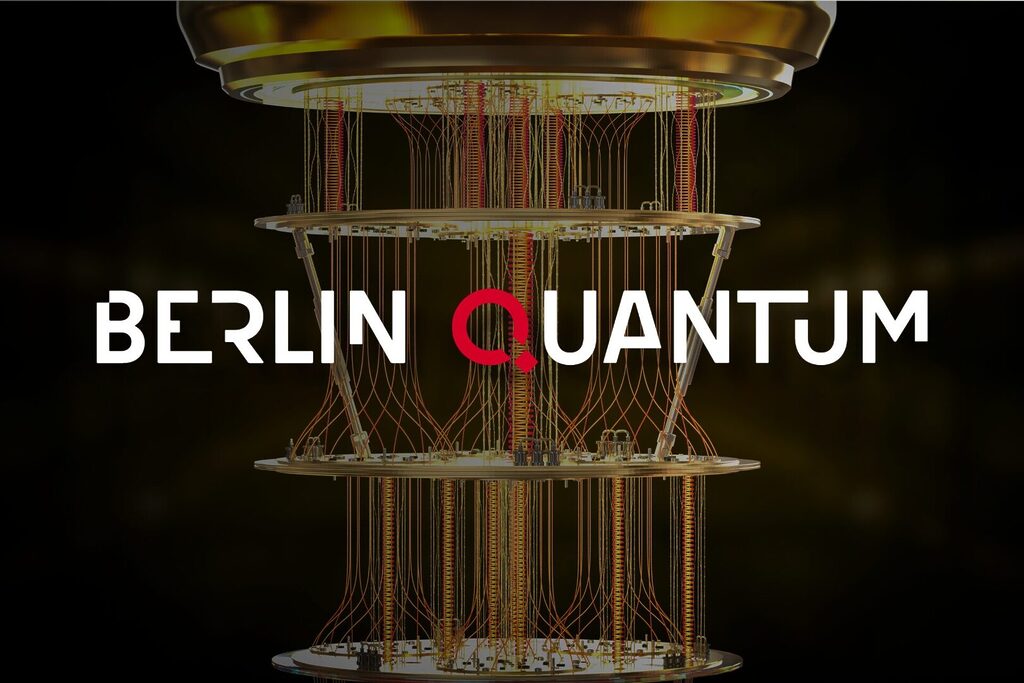
As quantum technologies move from scientific breakthrough to strategic capability, one city is emerging at the centre of Europe’s quantum revolution: Berlin.
Home to world-class research institutions, a thriving deep-tech startup community, leading photonics expertise and a rapidly expanding network of investors and industry partners, Berlin has established itself as the place where quantum innovation is being transformed into commercial and strategic impact. From quantum computing and secure communications to advanced sensing and defence applications, the city’s collaborative ecosystem is helping shape the future of one of the world’s most consequential technologies.
Against this backdrop, Tech Tour Quantum & Defence 2026 will bring Europe’s leading founders, investors, corporates and policymakers together in Berlin this October 8-9 to accelerate investment, forge partnerships and strengthen Europe’s quantum ecosystem.
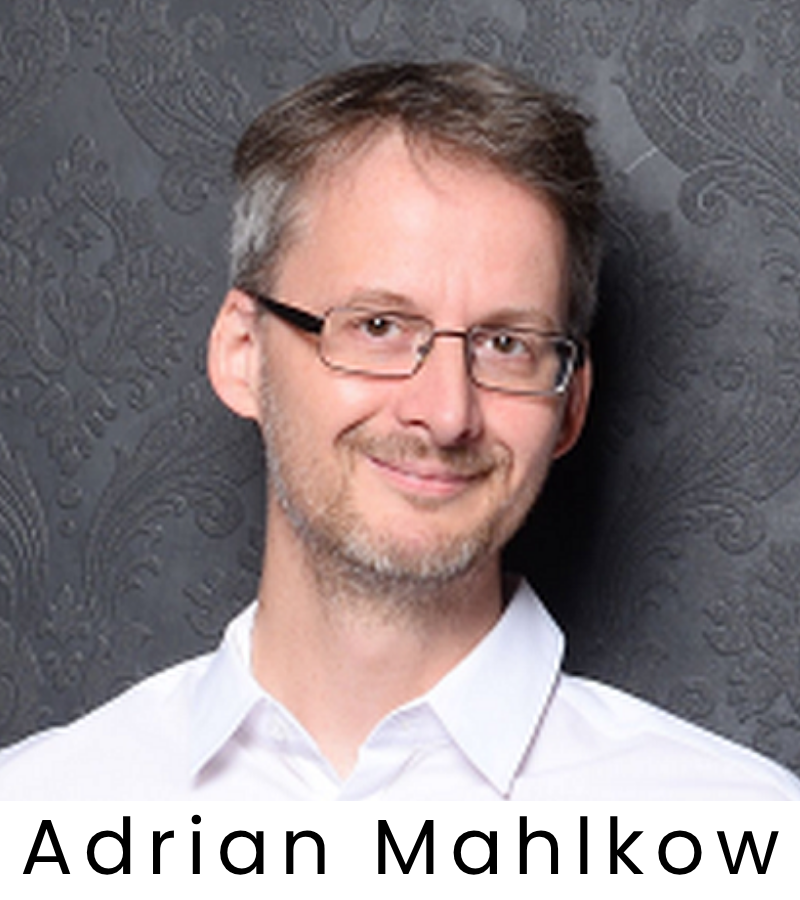
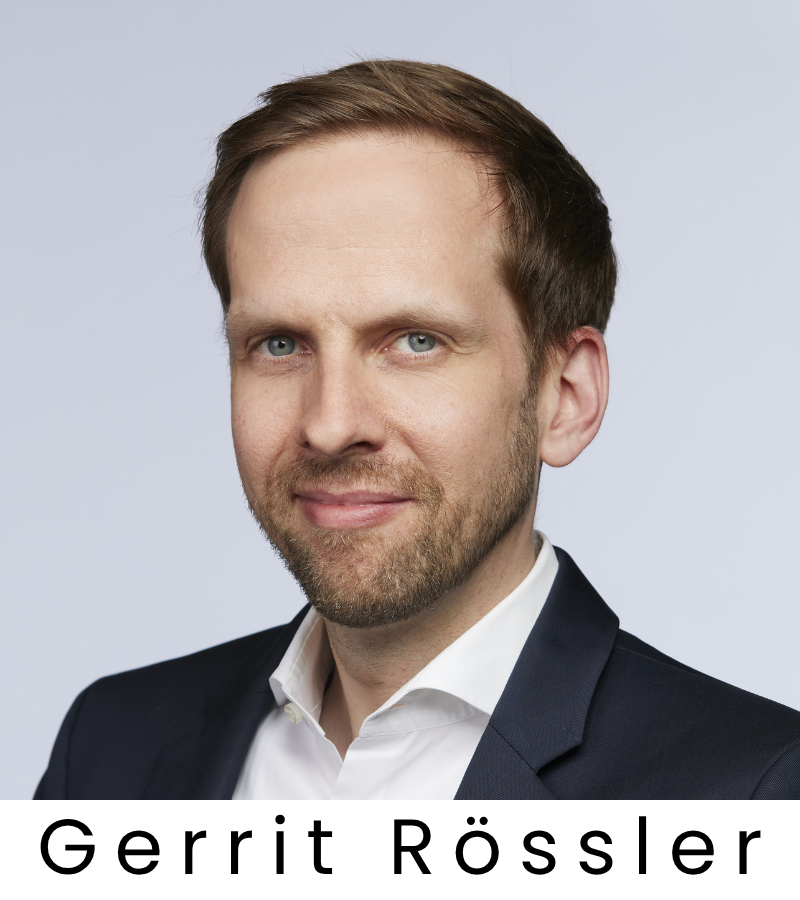
We recently spoke with Adrian Mahlkow at OptecBB and Gerrit Rössler at Berlin Partner — two of the driving forces behind Berlin Quantum — to discuss why Berlin’s ecosystem is gaining momentum, what Europe must do to scale its quantum champions, and why closer collaboration between science, industry, investors and policymakers has never been more important.
TT: Why is Berlin becoming such an important hub for quantum technologies, and what makes BERLIN QUANTUM different from other ecosystems in Europe?
Adrian Mahlkow: Firstly, Berlin is the most important start-up city in Germany and one of the most important worldwide (ranked 14th globally). Secondly, Berlin’s research landscape is among the most renowned and is a leader in many fields. Thirdly, Berlin is one of the world’s photonics capitals, and most quantum technologies are photonics-based. This is also why companies specialising in quantum technologies enjoy such great financial success, as a great deal of equipment is sold.
Gerrit Rössler: Berlin is emerging as one of Europe’s most important quantum technology hubs due to a rare and unique combination of scientific excellence, industrial diversity, strong public support, and deliberate ecosystem-building and talent attraction.
Berlin concentrates leading universities and research institutes (HU, FU, TU Berlin, Fraunhofer HHI, IZM, FOKUS, Ferdinand-Braun-Institute etc.) that cover simultaneous advances in quantum hardware, theory and software. Moreover, it has a strong research and industry base in photonics, which is the key enabling technology for most quantum disciplines. And, last but not least, Berlin has a vibrant startup and deep‑tech ecosystem including 20 startups from the quantum field.
TT: Why is the connection between quantum technologies and defence/security becoming such an important topic right now?
AM: New developments in quantum technologies can offer solutions for communication and detection that were previously not technically feasible. Physically provable secure communication using QKD, as well as navigation systems that are completely independent of GPS and also function underwater, are just two examples of where Quantum Technologies 2.0 can offer solutions that need to be further developed.
GR: Quantum computers are expected to break today’s encryption systems like RSA in the near future. Quantum key distribution, which already is in application, offers virtually unbreakable communication systems, secured by physics rather than mathematics. And quantum sensing allows detection of submarines, aircraft, or underground structures with high precision as well as navigation without GPS.
As quantum is moving fast from theory to application just as global tensions and digital dependence are increasing, technological progress cannot be ignored – neither by politics nor industry or European society as a whole.
TT: With the launch of the Leap hub and Tech Tour Quantum & Defence 2026, what are you building in Berlin — and who are you looking to attract to the ecosystem?
AM: The city offers close links between academia, applied research institutions and numerous companies, based on talent and a wealth of personal contacts. At the same time, the ecosystem is so large that you can meet new people every day, enabling you to form very diverse and creative teams that can develop far beyond the norm. Leap is a hub that explicitly targets start-ups and, through formats such as BarBQ, engages with the entire ecosystem, making it very easy for people interested in quantum technologies to come together.
However, this strong community does not shy away from current societal challenges and also wishes to make its contribution to security and defence. As demonstrated by last year’s discussions, the focus is less on the ‘if’ and more on the ‘how’.
GR: Berlin Partner as part of the Startup Unit Berlin offers a comprehensive support package for photonics startups and scaleups. Key areas of support include guidance on selecting and applying for suitable funding programs such as the Berlin Startup Stipend, introduction to the thriving deep tech startup ecosystem with its numerous business angels, technology incubators and accelerators and access to a strong network of companies, research institutions, and policy stakeholders. Moreover, Berlin Partner organizes cluster and networking events, workshops, delegation trips and international trade fairs to foster collaboration and assist in identifying innovation needs & targeted matchmaking with suitable partners from academia and industry.
TT: What does Berlin need to establish its spot as a global leader in quantum innovation and commercialisation?
AM: Berlin has the courage and creativity, the economic environment and the research findings. It also has a highly developed start-up culture. What is lacking are the opportunities for scaling up. When it comes to full-scale production, the capital all too often does not come from Europe, and with it, influence and control shift to countries outside Europe. These are issues that must be considered very carefully when it comes to security and defence. It is probably not a lack of capital that is the problem, but rather a lack of willingness to invest that capital in production and hardware.
GR: Berlin already has strong fundamentals to secure a top-tier position in the global quantum ecosystem. The real challenge is scaling, integrating and accelerating across several critical dimensions where Berlin (and Europe) still lag.
We have world-class research but weaker commercialization also due to limited seed and growth capital. Publicly funded R&D infrastructure is an asset, but accessibility for commercialization is restricted. It needs more open testbed infrastructures. Moreover, the public sector could become a stronger lead customer for quantum applications in defence and security, as these fields are key early adopters globally.
EU, Germany and Berlin will address these aspects with the EU Competitiveness Compass, the German Hightech Agenda Deutschland and the recently published Deeptech Berlin Agenda.
___
Quantum is rapidly becoming a strategic pillar of Europe’s future: driving innovation, strengthening resilience and reshaping security. The next chapter will be defined by those who can turn scientific excellence into commercial success through investment, collaboration and bold ambition.
Tech Tour Quantum & Defence 2026 is where those connections happen. On 8-9 October in Berlin, Europe’s leading quantum startups, investors, corporates and policymakers will come together to forge partnerships, unlock investment opportunities and help shape the future of the European quantum ecosystem.
Join us in Berlin and be part of the conversations and collaborations that will define the next era of quantum innovation.
Stay in the loop – sing up for our newsletter below!
Newsletter
Stay up to date with market insights, trailblazing investment cases, and leadership profiles by subscribing to our newsletter.