Building Europe’s Clean Fuel Future: ORLEN’s Grzegorz Jóźwiak on Hydrogen Valleys, Cross-Border Investment and the Next Wave of Energy Innovation
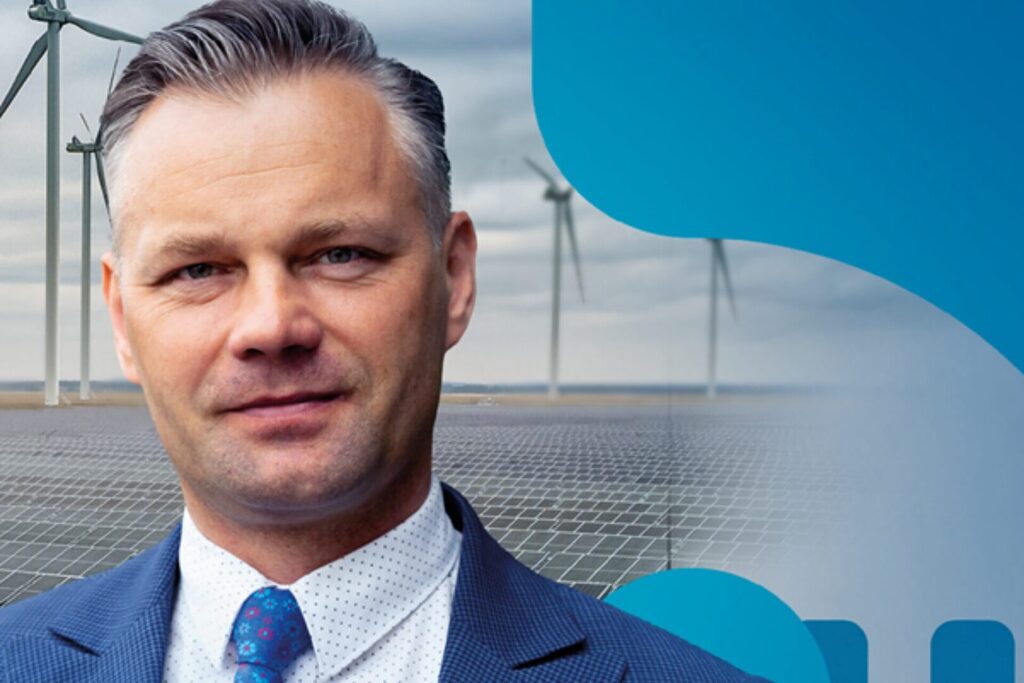
Europe’s clean energy transition has entered a new phase. The challenge is now beyond simply proving that hydrogen, biofuels and renewable fuels can decarbonise industry and transport. The next step is creating the investment ecosystems, capable of scaling these technologies across borders.
Few companies are as closely involved in that transformation as ORLEN. From building hydrogen infrastructure and investing in breakthrough technologies to supporting Hydrogen Valleys across Central and Eastern Europe, the company is helping shape one of Europe’s most dynamic clean energy ecosystems.
Ahead of the European Hydrogen Valleys Investment Forum 2026: Hydrogen, Bio- & Renewable Fuels, hosted by ORLEN in Warsaw on 10–11 September, we spoke with Grzegorz Jóźwiak, Executive Director for Biofuels and Hydrogen at ORLEN, about why regional cooperation matters more than ever, how Poland is emerging as a strategic hub for hydrogen innovation, and what investors and startups need to accelerate Europe’s next generation of clean energy projects.
TT: The development of the hydrogen economy requires cooperation that extends beyond national borders. How does ORLEN perceive its role in building international partnerships that can accelerate Europe's energy transition?
GJ: The energy transition requires a pragmatic approach combined with a long-term vision. It is a challenge of such complexity that it cannot be addressed solely at the national level; it demands international cooperation, strategic partnerships, and joint investments. This is why ORLEN is consistently building a collaboration model based on technological, industrial, and investment partnerships developed across Europe.
One of the instruments supporting this strategy is the investment activity of ORLEN VC, the Group’s corporate venture capital fund. Among its investments is Norway-based Hystar, a company developing next-generation, high-performance PEM electrolyzers that have the potential to significantly reduce the cost of renewable hydrogen production.
At the same time, ORLEN and ORLEN VC cooperate with the UK-based company OXCCU, which is developing technology for the production of synthetic aviation fuels. This is an excellent example of hydrogen being used as a feedstock for e-SAF production, supporting the decarbonization of the aviation sector.
Regional cooperation is another key area of focus. We have signed agreements with Finnish partners aimed at advancing the hydrogen economy and establishing cross-border hydrogen value chains. Initiatives such as these enable countries around the Baltic Sea to leverage their complementary strengths more effectively, accelerate the commercialization of projects, and, most importantly, enhance the competitiveness of European industry.
Equally important is our engagement in the development of European Hydrogen Valleys, which we view as practical environments for deploying innovative technologies – from hydrogen production and storage to industrial and transport applications. One such initiative is HySPARK (Hydrogen Solutions for European Airports and Regional Kinetics), implemented in the Mazovia region, including at Warsaw Chopin Airport and within Warsaw’s public transport system. As part of the project, hydrogen-powered vehicles fueled with hydrogen produced and distributed by ORLEN are being tested in real operating conditions.
We are also developing the Amber Hydrogen Valley in the Pomerania region, which has the potential to become one of the leading hydrogen hubs in the Baltic Sea area. Our objective is to continue expanding this initiative and secure both national and European funding in order to build a strong ecosystem based on renewable energy sources, advanced industry, and modern port infrastructure.
TT: In recent years, strategic regional alliances have become increasingly important. What role can new partnerships among Baltic Sea countries play in the development of the European hydrogen economy?
GJ: We strongly believe that the future European hydrogen market will be shaped not only by the efforts of individual countries but also by robust regional alliances.
The Baltic Sea region possesses unique advantages: a rapidly expanding renewable energy sector, access to extensive port infrastructure, and a strong industrial base. Poland, in particular, has significant renewable energy potential, especially in offshore wind. Moreover, as a country with a strong agricultural sector, it also has substantial capacity to provide feedstocks for the biofuels industry.
These strengths create favorable conditions for developing joint projects. We see considerable potential in establishing a Baltic states alliance that would support infrastructure development, facilitate regulatory harmonization, and contribute to the creation of a regional hydrogen and renewable fuels market.
Such cooperation could become one of the pillars of the European hydrogen economy by improving investment coordination and strengthening energy security across the entire region.
TT: What role can Poland and the Central and Eastern European region play in shaping the European hydrogen market and strengthening Europe’s energy security?
GJ: Poland and the Central and Eastern European region have the potential to play a far greater role than current hydrogen market figures alone might suggest. Situated at the crossroads of Europe’s key transport, energy, and industrial corridors, the region is well positioned to become a natural bridge connecting hydrogen producers, consumers, and investors.
One of Poland’s key strengths is that it is already among the largest producers and consumers of hydrogen in the European Union. In the coming years, our priority will be the gradual replacement of conventional hydrogen with low- and zero-emission hydrogen.
The scale of domestic demand means that Poland will be among the few countries in the region where large-scale electrolyzers, with capacities measured in hundreds of megawatts, will be deployed. These installations will support industrial decarbonization while simultaneously stimulating the development of local hydrogen expertise and technologies.
Poland is also strengthening its position in hydrogen mobility. Some of Europe’s largest hydrogen bus manufacturing facilities operate in the country, and an increasing number of cities are introducing hydrogen-powered vehicles into their public transport fleets.
Equally important is the regulatory dimension. The experience of Poland and other Central and Eastern European countries demonstrates that the success of the energy transition depends on maintaining a balance between ambitious climate targets and industrial competitiveness. This is why we seek to contribute a pragmatic perspective to the European debate and support the development of stable and predictable regulations that foster the growth of the hydrogen economy while enhancing Europe’s energy security.
Our ambition is for Poland to be recognized not only as a participant in the hydrogen market, but also as a partner actively shaping European solutions—leveraging its industrial and technological capabilities while bringing experience, responsibility, and a pragmatic approach to the energy transition.
___
As Europe’s energy transition moves from ambition to implementation, success will increasingly depend on connecting innovative companies with industrial partners, investors and policymakers capable of bringing projects to commercial scale.
That is precisely the ambition behind the European Hydrogen Valleys Investment Forum 2026: Hydrogen, Bio- & Renewable Fuels. Hosted by ORLEN in Warsaw on 10–11 September, the Forum brings together leading investors, corporates, Hydrogen Valley initiatives and selected startups developing technologies across hydrogen production, infrastructure, bio- and renewable fuels, mobility, aviation and industrial applications.
With curated one-to-one investor meetings, expert discussions and presentations from Europe’s most promising companies, the Forum offers a unique platform for turning innovation into investment—and accelerating the clean energy solutions that will strengthen Europe’s competitiveness and energy security.
Keep in touch for more industry highlights- sign up for our newsletter below!
Newsletter
Stay up to date with market insights, trailblazing investment cases, and leadership profiles by subscribing to our newsletter.