Transforming Agriculture: Bayer’s Karl D. Collins on Innovation, Ecosystems & Europe’s Resilient Ag Breakthrough
At the upcoming Tech Tour Resilient Ag 2026, host partner Bayer is set to welcome a uniquely curated group of innovators and investors to Monheim am Rhein, Germany on 4–5 March 2026. Over two days, the programme will bring together 30+ selected companies, 60+ seasoned investors, and facilitate more than 100 One-to-One meetings, creating one of Europe’s most concentrated environments for accelerating high-impact agri-innovation.
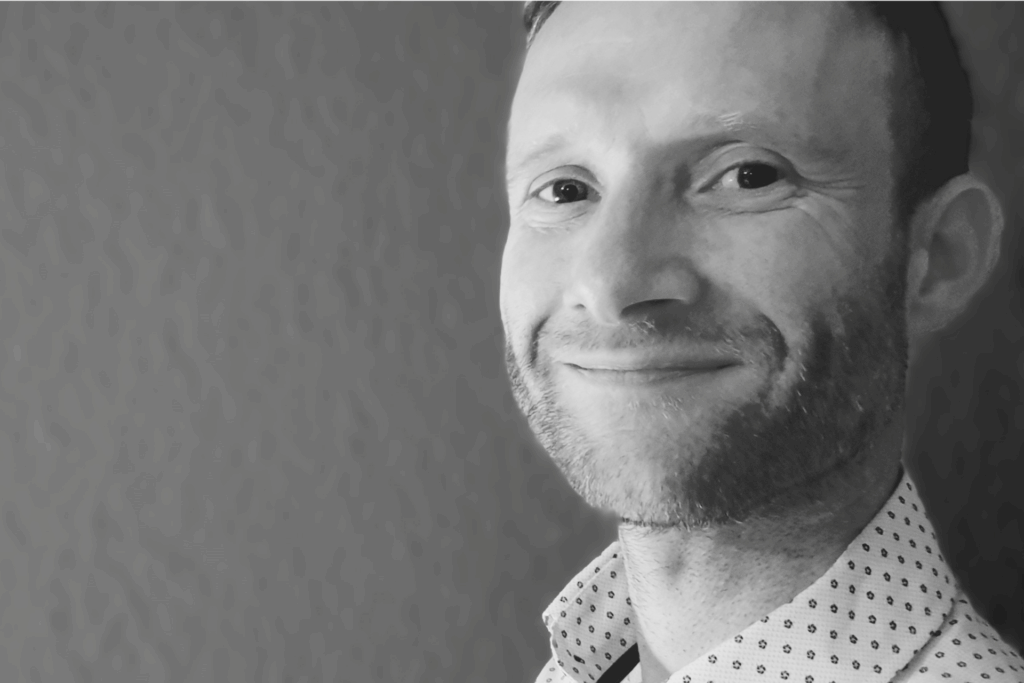
Ahead of this fascinating gathering, we sat down for an interview with Karl D. Collins, Director Innovation Ecosystem, Europe (Open Innovation), at Bayer, whose work focuses on enabling breakthrough science, empowering startups, and strengthening collaboration across the agricultural value chain. In this interview, Karl shares Bayer’s perspective on the technologies, partnerships, and mindsets that will drive resilience and transformation in global agriculture — and why connecting talent, capital, and science at Monheim is so critical now.
TT: Tech Tour ResilientAg 2026 highlights innovation and investment in sustainable farming. How does this investment programme align with Bayer’s mission and the goal to advance resilient and sustainable agriculture?
KDC: At Bayer, our mission is clear: Health for all, Hunger for none. We are committed to addressing the pressing challenges of our time, including growing and aging populations and the strain on our planet’s ecosystems. Enabling farmers to become more resilient and to produce more, while restoring nature and scaling regenerative agriculture, is our vision for the future of farming, and accelerating innovation as well as transforming the agricultural landscape is key to achieving this. Because innovations in agriculture are inherently complex and the knowledge and science driving these innovations are increasingly localised — often in highly specialized startups — it is crucial to foster the development of these innovations and create interfaces between startups and companies like ours to make these innovations accessible to farmers. It requires partnerships at all levels and funding, and Tech Tour ResilientAg 2026 can play a key role in pairing resources and expertise, driving investment in those breakthrough technologies, as well as building such partnerships.
We are excited to be hosting this event at our headquarters in Monheim am Rhein, as it brings increased visibility to this hot spot of foundational research, innovation and industry for agriculture bridging Germany, the Netherlands and Belgium. Our ambition is to further enhance the visibility and impact of this ecosystem, further connecting researchers, founders, corporates, and investors to help shape both Europe’s journey in agriculture and impact on a global scale.
TT: Across the investment programme’s focus areas – from regenerative practices to digital and biological solutions – which technologies or approaches do you see as most transformative for the future of farming?
KDC: Every farm is different and, so are their needs. The future of farming is about having a comprehensive and adaptive toolbox, as the response to fast-changing conditions in agriculture and farmer needs. Right now, our global food systems stand at a pivotal moment. Climate change, soil degradation, and other challenges are resulting in a rapid loss of arable land. Productivity gains worldwide are being diminished by changing climate, pest, and disease pressures.
In terms of technologies, the core of productivity, sustainability and economic viability comes down to innovation in seeds and crop protection — in all forms. For example, the last decade has seen a rapid evolution of our understanding of genetics and genomics and has led to scientific breakthroughs in genome editing methods, which are creating huge potential for agriculture. Innovations in gene editing, as well as precision breeding and the development of next-gen solutions in synthetic or biological crop protection, are the foundation, and it is critical we drive innovation in all these areas.
What will be game-changing on farm in the next decade are the technologies that facilitate decision-making — sensor technologies, systems biology, the microbiome, artificial intelligence, to name just a few. They all have a huge role to play in supporting farmers to make the best use of the tools they have available, and it is critical that we develop these areas, while not forgetting the core of farmers’ needs.
TT: Startups are key drivers of agri-tech innovation. In this space, Bayer’s LifeHubs have become a strong platform for startup partnerships. Can you share more about how Bayer is fostering open innovation and how these collaborations are creating real-world impact?
KDC: Bayer’s LifeHubs located in Europe, North America, and Asia form our global open innovation platform committed to transforming agriculture through innovation and dialogue. We are providing expertise, market insights, and knowledge to the innovation ecosystem to help—especially startups—ensure they are developing products which match an acute market need, and critically, are affordable and accessible for farmers. We are offering lab space to startups in our on-site or partner incubators in Woodland, California and Monheim, Germany, in which the support and guidance go beyond formal collaborations.
Personally, the most exciting example has been our recent Golden Ticket challenge in Europe. By design, the programme enables the scaling and real-world validation of breakthrough technologies, centred around driving innovation through co-development and co-location. In the coming months, four companies will embark on proof-of-concept studies, developed collaboratively and aligned with the short-term strategic needs of both the startup companies and Bayer, offering great value to both teams. Furthermore, it is critical for us that we do not tie these companies to Bayer through restrictive agreements or IP, enabling them to take their learnings and continue to grow even if a long-term partnership does not evolve. This is how we build effective ecosystems. That is impact.
TT: You’ve led multiple innovation initiatives — from the Bayer Foundation to LifeHub Monheim, and now as Open Innovation & Ecosystem Lead Europe. What lessons have you learned and what advice would you give to startups joining Tech Tour ResilientAg 2026?
KDC: The most important lesson I have learned — and it’s an open secret in the innovation landscape — is that people are what matter most. People, their passion, and their dedication to make a difference matter even more than technology. As a scientist, it was natural for me to simply look for the best research or idea, but when it comes to translating that into market potential, it’s the people that count.
When looking for partners, I now place just as much importance on the team itself as on the technology, and that is an important message that I convey both within Bayer and to start-ups. Hiring the right people and investing in nurturing relationships with your partners is fundamental. Setbacks in research, missed milestones, or new requirements due to changing conditions are much easier to deal with when you have a great team with a shared vision working on both sides.
My other tip for startups working with corporates is focus. What problem can you solve better than anyone else? With new potential partners, we need to be clear about the core value proposition from the get-go, to quickly identify the right experts with the corresponding challenge. That way, we can both learn rapidly — about the technology and the team. It’s a win-win situation.
___
The upcoming Tech Tour Resilient Ag 2026 spotlights a sector in transformation — one where scientific progress, entrepreneurial energy and cross-border collaboration converge. As Karl emphasises, building a resilient agricultural future hinges not only on technology, but on the people and partnerships driving it forward. We look forward to welcoming innovators, investors, and ecosystem leaders to Monheim am Rhein next March 4-5, as we jointly accelerate solutions that will define the next generation of global agriculture. Don’t miss out on this opportunity to shape the future of resilient agriculture — get your pass now.
Stay tuned for more upcoming opportunities by signing up for our newsletter below.
Newsletter
Stay up to date with market insights, trailblazing investment cases, and leadership profiles by subscribing to our newsletter.